



From glow claims to glycolic acid: How women are getting smarter about skincare
Walk down any skincare aisle in South Africa today and you’ll notice a shift happening.
The shelves still look the same: glossy bottles, minimalist packaging, and promises of radiant, youthful skin. But the woman standing in front of them has changed.
Instead of admiring the front label, she’s turning the bottle around.
She’s scanning ingredient lists for words like glycolic acid, niacinamide, or retinol. She’s watched the tutorials, read the ingredient breakdowns and probably saved a few dermatologist videos on TikTok. And increasingly, if a product isn’t backed by science, it simply doesn’t make it into her basket.
“The shift we are seeing is not just about product preference. It’s about a fundamentally different relationship between the consumer and the category. South Africans have become genuinely ingredient-literate. They are approaching skincare the way they approach health; with questions, with scepticism, and with high expectations.”
For many women, skincare has moved beyond beauty. It has become part of a broader wellness routine, alongside nutrition, exercise and mental wellbeing. What goes on the skin now matters just as much as what goes into the body.
And women are doing their homework.
Smarter skincare routines
The rise of ingredient-led skincare isn’t just a passing trend. Women are increasingly building routines based on specific skin concerns rather than simply buying the newest product on the shelf.
Instead of vague promises like “radiance” or “youthful glow,” they’re looking for products that target real issues: acne breakouts, pigmentation, sun damage, dehydration or barrier repair.
“The shift we are seeing is not just about product preference. It’s about a fundamentally different relationship between the consumer and the category. South Africans have become genuinely ingredient-literate. They are approaching skincare the way they approach health; with questions, with scepticism, and with high expectations.”
Social media has played a major role in this shift. Dermatologists, skincare specialists and everyday users now break down ingredient lists in plain language, explaining what works, what doesn’t and how to build effective routines.
The result is a far more informed shopper.
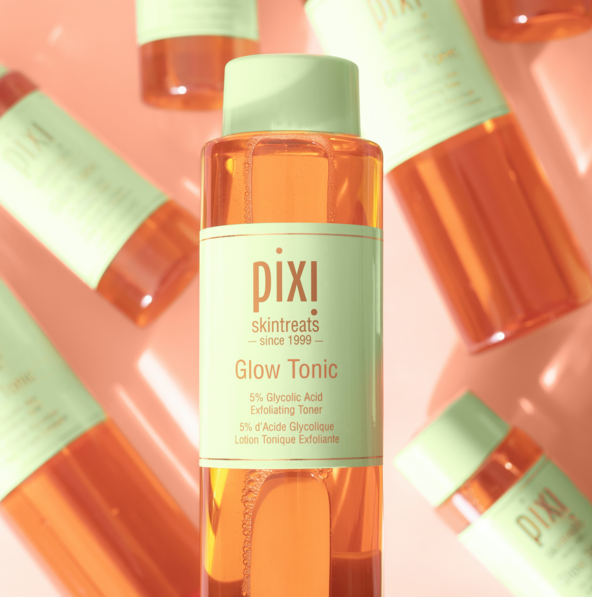
A woman browsing skincare today might already know that niacinamide can help reduce inflammation and pigmentation, retinol supports skin renewal, and salicylic acid targets breakouts. That knowledge changes how she shops.
Instead of relying purely on brand reputation or advertising, she’s evaluating what’s actually inside the bottle.
South Africa’s skincare boom
Closer to home, South Africa’s beauty market continues to grow strongly, with skincare leading the charge. The category is expanding rapidly as more consumers prioritise products that deliver visible results rather than relying purely on marketing promises.
Retailers are seeing this shift clearly on their shelves. Beauty and personal care categories continue to outperform many others in the retail environment, reflecting strong consumer demand and interest.
“What the data confirms is what we are seeing on the ground every day. This category is growing because consumers are demanding more from it, not because of clever marketing, but because the products are delivering visible results.”
The rise of the informed beauty consumer
Much of this shift is being driven by younger women who grew up with skincare knowledge readily available online.
A survey of 7,000 South African Gen Z consumers found that skincare dominates as the leading beauty category, with 94% purchasing products within the category and 57% buying beauty items directly via social media platforms.
But they’re not simply scrolling through glamorous campaigns.
Instead, they’re watching ingredient explainers, dermatologist breakdowns and real-world product reviews that analyse formulations in detail.
“Social media has become a powerful democratiser of skincare knowledge. A 22-year-old in Johannesburg now has access to the same information as a dermatologist’s patient in London. That has fundamentally changed the conversation and raised the bar for every brand operating in this space.”
For women, this means skincare routines are becoming far more intentional. Products are chosen for their function, not just their packaging.
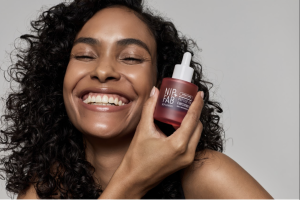
A serum isn’t just a luxury step anymore. It’s part of a targeted routine designed to treat specific skin concerns.
What women expect from skincare brands now
As women become more educated about ingredients and formulations, their expectations of beauty brands are shifting too.
Transparency matters more than ever. Shoppers want clear ingredient lists, honest claims and products that do















Post Comment